Introduction
Most businesses completely mess up their Russia Dedicated Server setup. I have seen it happen, what seems like a simple configuration can easily become a minefield of problems. As companies grow, their server needs become extremely complex, requiring much more than just raw storage or high bandwidth. Few leaders understand the level of expertise needed to keep a server in top shape, which equals expensive downtime and wasted resources. Russia Dedicated Servers are very powerful but making them work at the best level is another story. Misconfiguration settings and poor resource planning are just the tip of the iceberg, ignoring updates.
Fortunately, OnliveServer has the tools and experienced experts to ensure top-notch server performance and help organizations avoid these common pitfalls. Most server crashes are not caused by bad hardware but by bad management, believe it or not. Switching to a Russia Dedicated Server doesn’t have to be a stormy trip if you are guided properly, avoiding the usual mistakes. OnliveServer enables businesses to optimize uptime and operational efficiency, truly unleashing the potential of their server. It’s about knowing the great benefits and the small challenges that you face with these servers.
Essential Guide to Russia Dedicated Hosting
Choosing the right server configuration is absolutely essential. But here’s the thing: most people don’t know how complicated it really is. Russia Dedicated Server provide you with serious performance and unmatched control. No, actually. You’d think you could just buy a server and everything would be fine. It does not. Be wary of vendors who sell you on simplicity but lack the technical depth to support it. Misconfigurations from the start account for roughly 30% of server problems. If your team has no server administration background whatsoever this is of no use. Key Benefits Businesses can customize their server environment to their exact specifications; incredible customization.
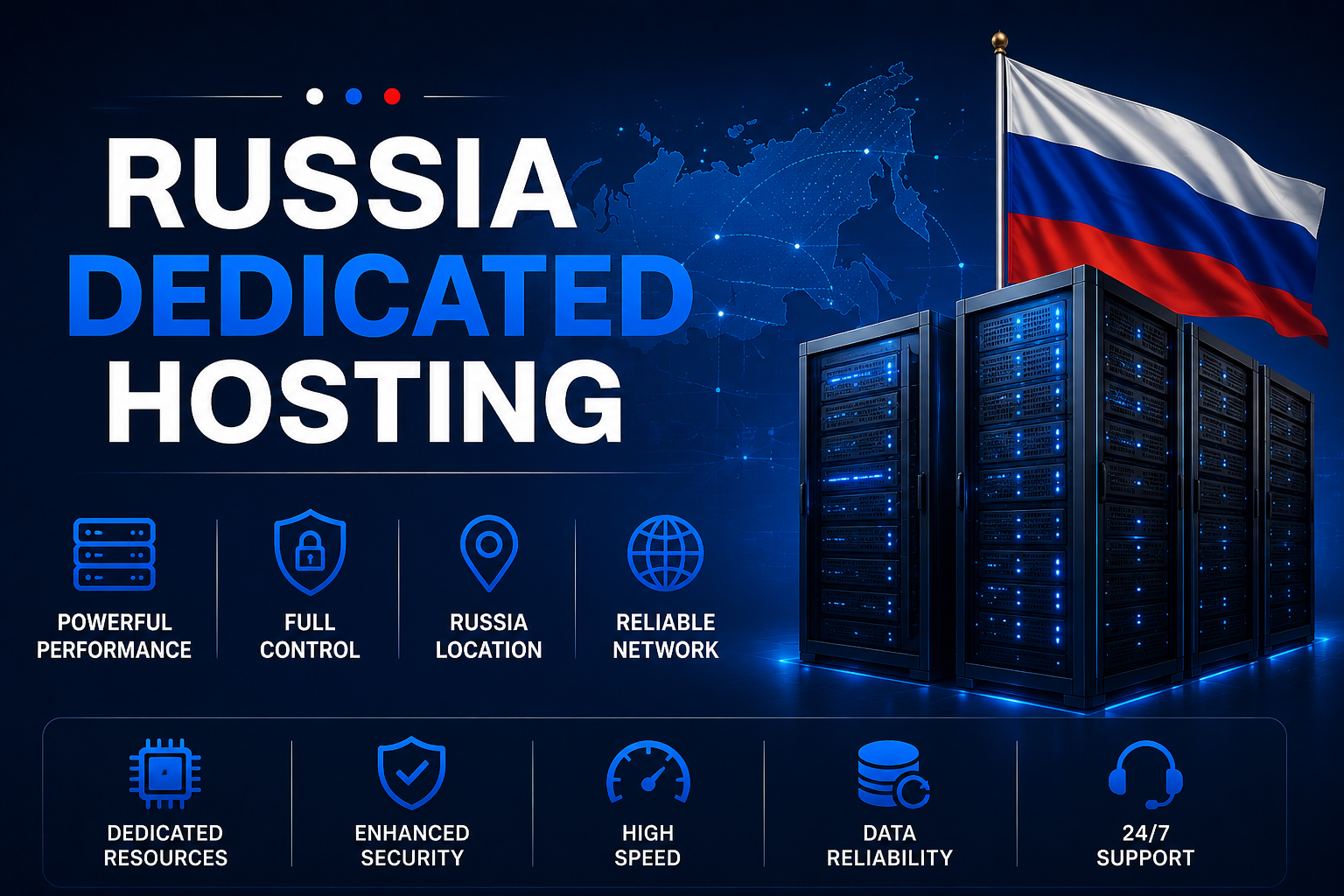
That’s huge. Another big plus here is improved security. These servers offer strong protection against online threats, which is especially important when dealing with sensitive information. Challenges But despite these upsides, challenges remain. Hard truth: a misconfigured server can cause serious operational failures. And the required technical skills are often underestimated which leads to performance that is just not good enough. – Shape environments: Tailor server configurations to exact business needs. – Bolster defenses: Protect sensitive data from online threats and intrusions. – Risk mitigation: avoid serious operational problems due to wrong server settings.
Steps to Ensure Optimal Server Health
Maintaining your server’s health involves more than just managing physical hardware. It requires a precise process with many moving parts that need constant attention. A simple initial setup will not last forever, and better monitoring can prevent nearly 40% of critical server outages. Many users assume a one-time setup is enough, but real-world server environments demand continuous optimization. Default settings rarely meet actual business requirements, and relying on them can create long-term performance issues. Even if you lack the budget for automated monitoring tools, regular manual checks still play an important role.
Regular performance monitoring remains essential because small issues can quickly grow into major service outages. These outages may cost businesses thousands of dollars per hour in downtime, affect customer trust, and reduce overall server reliability.
Security Updates Keeping your server software up to date will protect you against vulnerabilities. This is not debatable. This is often overlooked, resulting in major security breaches. Proper Resource Allocation Proper resource allocation prevents slowdowns and maintains server activity flow. A small change can make a big difference. – Always monitor. Catch small problems before they get out of control. – Update defenses: Make sure your software is up-to-date to block security holes. – Balance resources. Don’t let your server power become a bottleneck.
Mistakes to Avoid with Russia Hosting Solutions
There is a lot more to setting up a dedicated server than just installing it. The thing no one tells you is that many companies will fall into common traps, and often because they get too caught up in the initial set-up, and not enough in the long term strategy. “Look. I thought once the server was up and running, the hard part was over. Nope. Planning is critical since 60% of small companies do not recover from major data loss. Don’t assume that your existing server will always be able to cope with future demands without upgrades.
If you only ever buy the cheapest option, this doesn’t help. Ignoring What really works Failure to adhere to approved protocols can lead to poor performance and system outages. That’s a real problem. Ignoring scalability needs as companies grow, so do their server needs. That’s a given. Progress is killed by not accounting for future growth. Insufficient backup plans Data loss can ruin operations completely. Look, if you don’t have rock-solid backups, you’re playing with fire and you’re risking everything you’ve built up in your business. – Follow protocols: Don’t get bad performance and expensive system outages. – Growth planning: Ensure that server capacity can accommodate future business needs. – Reliable backups: Implement reliable backups to avoid data loss.
Strategies for Optimal Performance
Servers can be a pain. More power means better performance, right? “Wrong.” It’s all about the configuration, and understanding usage patterns. Configuration Basics The starting point for an optimal Russia Dedicated Server performance is a well-organized setup. Most users forget to align server specs with particular application requirements. Neglecting this step can cause resource wastage or underperformance.
Monitoring and Scaling We monitor all the time so we can make proactive adjustments. Tools like Nagios or Zabbix provide real-time monitoring of server health and usage. – Watch CPU and memory usage to find bottlenecks – Observe traffic patterns and scale server resources accordingly – Use load balancing to spread traffic evenly Once you have monitoring consider scalability. If you don’t have a scalable setup, sudden spikes can cripple performance. Scalability is important to ensure your server grows with your needs and avoids expensive downtime.
Avoiding Common Missteps
Admins make the same mistakes over and over. Why is this the case? They ignore the initial hurdles of setup. Disabled Security Measures Skipping security protocols is a cardinal sin. – Servers likely to ignore firewall settings – Software not being updated leads to exploits – Weak passwords result in unauthorised access By making security stronger from the start you avoid catastrophic breaches later. Poor Backups A mistake many make is not doing regular data backups and this can lead to data loss that is not recoverable when things go wrong. Solutions: Automated backup systems for continuous protection. Redundancy is critical, without it hardware failure can mean major downtime or data loss.
Why Russia?
Why Russia? Why Russia for your hosting? It’s not about where, only. Strategic Advantages Russia has distinct geopolitical advantages. Hosting in Russia can significantly reduce latency for European and Asian markets. – Proximity to key regions for quicker response times – Cutting-edge infrastructure of Russian data centers – Local hosting circumvents certain international compliance challenges There is a strategic advantage of a Russia Dedicated Server. The country’s emphasis on growing its tech prowess makes it an attractive option for companies looking for broad global reach.
Frequently Asked Questions
Ans.- Costs vary based on specifications. High-end servers with better configurations tend to be pricier.
Ans.- Implement firewall settings, update software regularly, and use strong passwords.
Ans.- For low-traffic sites, a VPS may be more cost-effective due to lower resource needs.
Ans.- Use monitoring tools to assess traffic, then adjust resources and use load balancing for distribution.
Conclusion
The Bottom Line: Opting for a Russia Dedicated Server, notably from OnliveServer, provides unique strategic advantages including decreased latency and increased security. Prevent typical installation mistakes; keep an eye on performance for seamless operation. Your server can scale with the right setup and serve users reliably in different regions.